
Fake Investment Platforms: Lessons From a $3 Million U.S. Brokerage Fraud
A man has been sentenced to four years in federal prison for his role in a fake brokerage scheme that defrauded U.S. investors of more than $3 million.
According to the U.S. Department of Justice, Yaroslav Shilkloper and his co-conspirators operated companies using the names K6 Investing, Neotron Holding LTD., and Goldex Technology. Victims were promised high investment returns and given access to a digital platform displaying what appeared to be real-time investment performance.
The investments shown on the platform were not genuine. The Department of Justice said victims’ money was diverted through bank accounts in Ukraine, Georgia, Hungary, Israel, the Czech Republic, and other jurisdictions.
When investors attempted to withdraw their funds, they were blocked, threatened with legal action, or pressured to send additional money. Shilkloper was ordered to pay $1.43 million in restitution and a $250,000 fine.
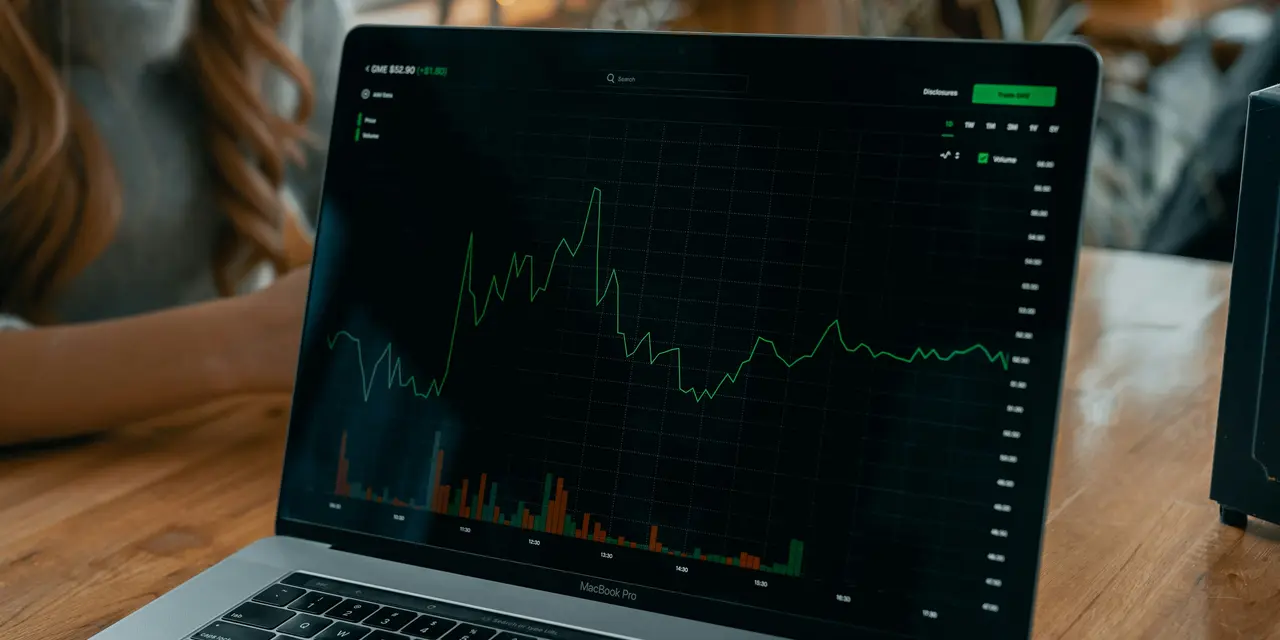
The case demonstrates how a professional-looking dashboard can create the illusion that an investment is performing successfully.
A balance displayed on a website is not proof that an asset exists, that a trade took place, or that the investor can withdraw the money.
How the fake brokerage scheme operated
The scheme presented victims with what appeared to be legitimate investment businesses.
Investors were promised attractive returns and provided access to an online platform where they could supposedly monitor their portfolios.
The platform displayed information that appeared to show:
- Account balances.
- Investment performance.
- Profits or trading gains.
- Changes in portfolio value.
- Real-time market activity.
Those displays gave victims a reason to believe that their money had been invested and was generating returns.
According to the Department of Justice, however, the funds were not invested as represented. They were diverted through an international network of bank accounts connected with the scheme.
The apparent growth shown on a fake dashboard may encourage a victim to:
- Invest more money.
- Delay withdrawing funds.
- Recommend the platform to others.
- Accept explanations for withdrawal delays.
- Pay additional fees to release a supposed balance.
A fraudulent investment platform does not need to execute genuine trades. It only needs to display figures convincing enough to keep the victim engaged.
Why fake investment dashboards can be convincing
Online investing is familiar to many consumers.
Legitimate financial institutions allow customers to view balances, monitor performance, and place trades through websites and mobile applications. Fraudsters can imitate this experience by creating a professional interface containing financial terminology, market data, charts, and fabricated account records.
The FBI’s Internet Crime Complaint Center warns that fraudulent investment platforms may appear as conventional websites or as interfaces accessed through cryptocurrency applications. Victims may be directed to create an account before transferring money or cryptocurrency into the supposed platform.
A fake platform may include:
- A personalized account page.
- Charts showing supposed profits.
- An assigned broker or account manager.
- Customer-support functions.
- Downloadable statements.
- Market prices taken from legitimate sources.
- Small initial withdrawals designed to build trust.
- Notices claiming that tax, compliance, or release fees are due.
Sophisticated design does not establish that a brokerage is licensed, that the displayed trades occurred, or that the platform controls the assets it claims to hold.
Warning signs of a fake investment platform
Some fraudulent platforms appear credible at first. The deception may only become clear when an investor attempts to withdraw money.
Warning signs may include:
- Promises of unusually high or guaranteed returns.
- Claims that an investment is risk-free.
- Pressure to invest immediately.
- An investment professional who cannot be independently verified.
- A website reached through an unsolicited message or advertisement.
- Instructions to send funds to a personal or unrelated business account.
- Requests to pay in cryptocurrency.
- Account balances that rise consistently regardless of market conditions.
- Additional deposits being required before withdrawals are permitted.
- Demands for taxes, commissions, or verification fees before funds are released.
- Threats of legal action after a withdrawal request.
- Requests to install remote-access software.
- Communication moving to encrypted messaging applications.
- A company name that closely resembles a legitimate financial business.
The U.S. Securities and Exchange Commission identifies guaranteed returns, pressure to invest immediately, unlicensed professionals, and requests to wire money abroad or to personal accounts as potential warning signs of investment fraud.
FINRA also warns that fraudsters may misuse the names of genuine firms or registered professionals to create the appearance of legitimacy.
How to verify an investment business
Before transferring money, verify both the business and the individual independently.
Do not rely solely on registration numbers, documents, website links, or contact details supplied by the person promoting the investment.
Checks may include:
- Searching the investment professional through FINRA BrokerCheck.
- Checking the firm through the SEC’s Investment Adviser Public Disclosure database where relevant.
- Confirming that the website address matches official regulatory records.
- Calling the firm using independently located contact information.
- Searching the company name, domain, telephone number, and email address alongside terms such as “fraud,” “complaint,” or “scam.”
- Checking when the website domain was registered.
- Reviewing whether the payment instructions match the registered business.
- Asking how client assets are held and which custodian is used.
- Requesting written information about withdrawal terms and fees.
- Obtaining independent financial or legal advice before making a substantial transfer.
A registration number displayed on a website may belong to a genuine professional whose identity has been copied.
Verification should establish not only that the registration exists, but also that the person making contact is genuinely associated with the registered firm.
What evidence should victims preserve?
Evidence may disappear quickly if a website is removed, an online account is closed, or a messaging profile is deleted.
Preserve:
- The complete website address.
- Screenshots of the platform and account dashboard.
- Account statements.
- Deposit and withdrawal records.
- Bank account details.
- Cryptocurrency wallet addresses.
- Transaction hashes.
- Emails and available headers.
- Messaging-app conversations.
- Telephone numbers.
- Names and job titles used by the supposed brokers.
- Copies of agreements and promotional materials.
- Remote-access software details.
- Identity documents provided by the platform.
- Dates and amounts of each transfer.
- Details of every attempted withdrawal.
- Demands for further fees.
- Threats or explanations provided when withdrawals were refused.
Download records where possible, but do not alter the original material.
Prepare a chronology explaining:
- How the initial contact occurred.
- What was promised.
- When money was transferred.
- What the platform displayed.
- When withdrawal problems began.
- What additional demands followed.
A clear chronology can help investigators, attorneys, banks, and law enforcement understand the sequence of events.
What to do after discovering a fake investment platform
Stop further payments
Do not pay another tax, release fee, insurance charge, compliance payment, or account-unlocking fee without independent advice.
Fraudsters may claim that one final payment will release the entire account balance. The payment may instead lead to another demand.
Contact the financial institutions involved
Contact banks, card issuers, payment services, cryptocurrency exchanges, or custodians involved in the transfers.
Provide:
- Transaction dates.
- Amounts transferred.
- Recipient account details.
- Wallet addresses.
- Transaction hashes.
- The reason the investment is believed to be fraudulent.
A financial institution may be able to preserve records, flag an account, or consider available intervention options. It may not be able to reverse a completed payment.
Secure affected accounts
Change passwords where credentials, identity documents, or remote access may have been exposed.
Also:
- Enable multi-factor authentication.
- Review active login sessions.
- Remove unknown devices.
- Check email-forwarding rules.
- Change reused passwords.
- Remove remote-access software where appropriate.
- Preserve available security and login records.
- Contact financial institutions through official channels.
Report the fraud
Victims in the United States can report internet-enabled investment fraud through the FBI’s Internet Crime Complaint Center.
Depending on the circumstances, a report may also be appropriate to:
- The Securities and Exchange Commission.
- FINRA.
- A state securities regulator.
- Local or federal law enforcement.
- The relevant bank or cryptocurrency exchange.
Reporting does not guarantee an individual response or recovery, but it can help authorities connect apparently separate complaints and identify wider patterns.
How asset tracing may assist
Asset tracing seeks to identify where funds or other assets may have moved and which companies, accounts, individuals, or jurisdictions may be connected with the transactions.
In a fake brokerage case, enquiries may include:
- Reviewing transfer instructions.
- Identifying recipient companies and available account-holder information.
- Examining corporate records.
- Mapping transfers between connected entities.
- Reviewing cryptocurrency wallet activity.
- Identifying banks, exchanges, or payment providers in the transaction chain.
- Examining domain ownership and hosting history.
- Researching individuals linked to the platform.
- Coordinating findings across several jurisdictions.
The Department of Justice case involved funds being moved through accounts in multiple countries, illustrating why cross-border fraud investigations may require evidence from several sources and jurisdictions.
Asset tracing does not itself freeze or recover funds.
Private investigators cannot compel banks, cryptocurrency exchanges, internet providers, or other organizations to release confidential customer information. Disclosure, restraint, and recovery may require cooperation from financial institutions, law-enforcement powers, or court orders obtained through attorneys.
Tracing, restraint, forfeiture, and recovery are different
These terms should not be treated as interchangeable.
Tracing involves identifying the apparent movement or location of funds and assets.
Freezing or restraint involves legal or regulatory measures intended to prevent assets from being moved.
Forfeiture is a legal process through which property connected with criminal conduct may be taken by the government.
Recovery or restitution involves money or property being returned or awarded to victims through legal proceedings or negotiated processes.
In the Shilkloper case, the court ordered $1.43 million in restitution and imposed a $250,000 fine. The Department of Justice also reported that $2.8 million had previously been returned to victims following forfeiture proceedings in Georgia.
That outcome followed criminal proceedings, international cooperation, and forfeiture action. It should not be interpreted as evidence that every victim of a fake platform will recover their losses.
Beware of recovery scams
Victims of investment fraud are frequently targeted again.
A recovery scammer may claim to be:
- An attorney.
- A private investigator.
- A government official.
- A regulator.
- A blockchain specialist.
- A representative of an exchange.
- A company holding recovered funds.
They may state that the money has already been located but require an advance payment for taxes, legal fees, wallet activation, or release charges.
The FBI has warned that fraudulent recovery companies may exploit people who have already lost cryptocurrency to investment scams.
Do not provide:
- Private keys.
- Seed phrases.
- Exchange passwords.
- Authentication codes.
- Remote access to a device.
- Further cryptocurrency payments.
Verify any recovery professional independently and request a clear explanation of the proposed work, legal basis, limitations, and fee structure.
Lessons from the $3 million case
The case highlights several important principles:
- A professional platform can display fabricated investment performance.
- A visible account balance does not prove that money was invested or remains available.
- Withdrawal obstruction is a significant warning sign.
- Requests for additional fees may be used to prolong the fraud.
- Cross-border account structures can make enquiries and recovery more complex.
- Complete payment, communication, and platform records should be preserved.
- Asset tracing may identify investigative leads, but it does not guarantee recovery.
- Effective recovery may require cooperation among banks, attorneys, courts, and law enforcement.
How Conflict International USA may assist
Conflict International USA supports individuals, businesses, and legal teams dealing with complex investment fraud and cross-border financial disputes.
A proportionate engagement may include:
- Preserving and organizing available evidence.
- Reviewing companies, websites, aliases, and individuals.
- Examining public corporate and regulatory records.
- Mapping payment and cryptocurrency transaction information.
- Identifying potential banking, exchange, or jurisdictional touchpoints.
- Preparing an investigative chronology.
- Supporting coordination with attorneys, forensic accountants, and cybersecurity specialists.
- Assessing whether further asset-tracing enquiries are commercially proportionate.
Where funds may have been moved through connected businesses, accounts, or jurisdictions, Conflict International USA’s Asset Tracing Services can help assess available records and potential investigative leads.
Asset tracing may help identify transaction paths, associated entities, relevant jurisdictions, and possible financial-service touchpoints. It does not itself freeze or recover funds.
No investigator can guarantee that an offender will be identified or that lost funds will be frozen or recovered.
If you believe you have invested through a false brokerage or trading platform, contact Conflict International USA to discuss the available records, cross-border issues, and proportionate next steps.