
Shadow AI and Corporate Espionage: The New Frontier of Internal Investigations
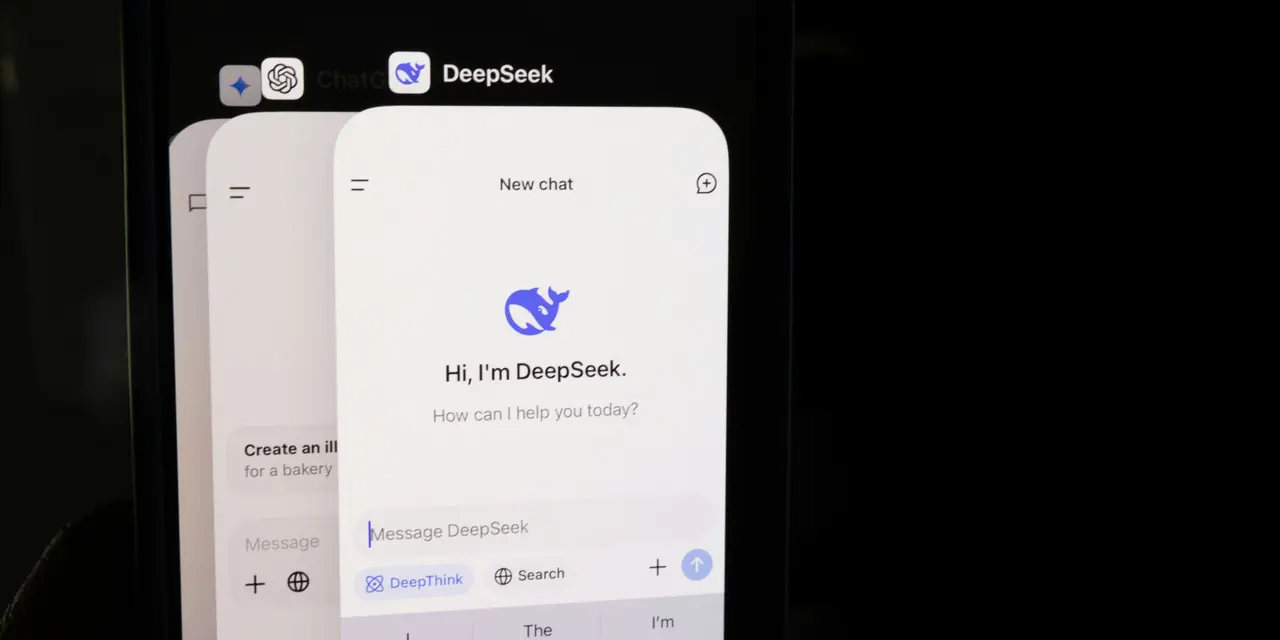
The definition of "corporate espionage" has changed. It is no longer just the competitor in the parking lot or the disgruntled executive with a USB drive. In 2026, the greatest threat to a company’s intellectual property often comes from a well-intentioned employee trying to be more productive.
This is the era of Shadow AI: the unauthorized use of artificial intelligence tools within a corporate environment. While these tools promise efficiency, they are creating a playground for industrial espionage and catastrophic data leaks.
The Invisible Leak: What is Shadow AI?
Shadow AI occurs when employees bypass official IT protocols to use public LLMs (Large Language Models), AI meeting note-takers, or unauthorized code-assistants to handle sensitive company data.
The risk is two-fold:
- Data Ingestion: When a staff member feeds proprietary data—such as a "Product Roadmap" or "Sensitive Financials"—into a public AI to summarize it, that data is often ingested into the AI’s training set. Your trade secrets effectively become part of the public domain.
- The Vulnerable "Plug-In": Many third-party AI browser extensions are poorly secured or, in some cases, are front-ends for malicious actors designed to scrape corporate credentials and "listen in" on internal communications.
From "Productivity Tool" to Espionage Asset
At Conflict International USA, our investigators are increasingly seeing Shadow AI used as a vehicle for sophisticated corporate espionage. Modern "bad actors" no longer need to hack a firewall if they can convince an employee to install a "helpful" AI scheduling assistant that mirrors all internal calendar invites and meeting transcripts to an external server.
This creates a "glass house" effect where competitors can see exactly what is being developed, who is being hired, and which deals are in the pipeline—all without ever triggering a standard security alert. In these instances, a surface-level IT audit is rarely enough to find the "ghost in the machine."
How Conflict International USA Neutralizes the AI Threat
Detecting Shadow AI requires a specialized blend of digital forensics and traditional investigative tradecraft. Our team doesn't just look at logs; we look at intent and hidden connections.
- Corporate Intelligence & Internal Investigations: We conduct deep-dive audits to identify "high-risk" internal behaviors and unauthorized data exfiltration points before they become catastrophic breaches.
- Technical Surveillance Counter-Measures (TSCM): In 2026, "bugs" are often software-based. We perform technical sweeps to ensure your boardroom and executive devices haven't been compromised by unauthorized "listening" AI apps.
- Cyber Surveillance & Digital Forensics: We recover deleted prompt histories and trace unauthorized API connections to determine exactly what intellectual property has left your network and where it went.
- Litigation Support: If an investigation reveals a breach of contract or IP theft, we provide the time-stamped, admissible evidence required for a robust legal response.
The Verdict: Trust, but Verify
In the age of AI, "I didn't know" is not a legal defense for a data breach. Boards and General Counsel must recognize that the convenience of AI is currently the greatest vulnerability in their counter-espionage strategy.
If you suspect your proprietary data has been compromised or if you need to audit your internal exposure to Shadow AI, Conflict International USA provides the technical expertise and investigative rigor required to secure your future.