
Fine Wine Investment Fraud: How to Check Ownership, Storage and Value
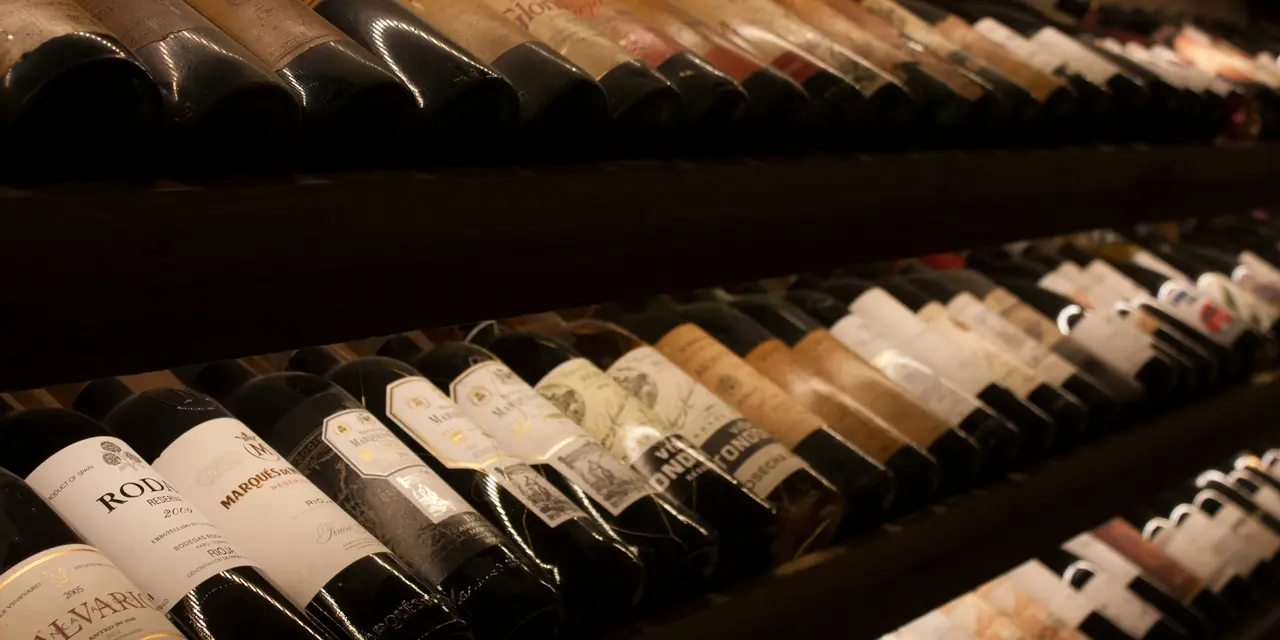
Fine wine can be a legitimate collectible and alternative investment, but the market can also be used to promote overpriced, misrepresented or entirely fictitious opportunities.
Fraud may involve wine that does not exist, stock the seller never acquired, unclear ownership, false storage documents or unrealistic promises about resale value.
An investor may also own genuine wine but discover that it was sold substantially above a realistic market price, stored in another party’s name or subject to charges and restrictions that were never explained.
Before investing, the seller, stock, storage arrangement, ownership rights and valuation should all be verified independently.
How Fine-Wine Investment Scams Work
Fine-wine schemes often use professional sales language and detailed knowledge of producers, vintages and market trends.
An investor may be told that:
- A particular vintage is in limited supply
- Institutional buyers are entering the market
- Prices are expected to rise quickly
- The wine is already secured in bonded storage
- A buyer is waiting for the stock
- The merchant will arrange a profitable resale
- The opportunity is available only briefly
Some statements may contain elements of truth. A limited vintage or established producer may have a genuine secondary market.
The concern arises where important facts about ownership, storage, price, liquidity or the seller’s authority are false, concealed or impossible to verify.
Urgency may also be used to prevent the investor from checking the proposal independently.
Does the Wine Exist and Who Owns It?
A fine-wine investment problem does not always mean every bottle is fictitious.
Several different situations may arise.
The wine does not exist
The seller may accept payment without purchasing or allocating any wine. Inventory statements, warehouse certificates and photographs may be fabricated.
The seller never acquired the wine
The wine may exist elsewhere, but the seller may not own or control the cases offered to the investor.
Documents may refer to stock belonging to another merchant, warehouse customer or intermediary.
The wine is held in another party’s name
Stock may be stored at a genuine warehouse but recorded under the seller, broker or another company rather than the investor.
This can create uncertainty over who has the right to release, transfer or sell it.
The same stock has been allocated more than once
A single case or parcel may be represented as belonging to several investors.
Independent warehouse confirmation is important because the seller’s internal records may not reveal competing claims.
The wine exists but cannot be released
Release may be prevented by:
- Unpaid storage or insurance charges
- A dispute over ownership
- A lien or competing claim
- Incomplete transfer documentation
- Warehouse restrictions
- The seller’s insolvency
- Differences between the stock and the investor’s records
The wine exists but was misrepresented
Genuine stock may still have been:
- Sold at a substantially inflated price
- Described as more liquid than it is
- Promoted using unrealistic return projections
- Subject to undisclosed commission
- Stored in unsuitable conditions
- Missing original packaging
- Of a different vintage, format or condition
An inflated purchase price can make a profitable resale extremely difficult even where the wine exists.
How to Verify Storage and Ownership
The seller’s documents should not be the only evidence used to confirm an investment.
Identify the warehouse
Obtain the warehouse’s full legal name, official address, storage-account reference and the exact case or bottle details.
Contact the warehouse independently using details from its official website or recognised industry sources.
Do not rely only on an email address or telephone number supplied by the broker.
Confirm the recorded position
Where its policies and applicable law permit, ask the warehouse to confirm:
- Whether the wine is physically recorded
- In whose name or account it is held
- Whether the cases match the documents
- Whether a transfer has been completed
- Whether charges are outstanding
- Whether any restriction affects release
- What documents are needed to transfer or sell the stock
A warehouse may require identification or authority from the registered account holder before disclosing information.
Match the stock to the documents
Confirm the producer, vintage, wine name, case size, bottle format, quantity, packaging and storage location.
A general statement that wine is held in storage is not enough. The warehouse record should correspond with the purchase agreement, invoice and inventory statement.
How to Check the Wine’s Realistic Value
Fine-wine value depends on more than the producer and vintage.
Relevant factors include:
- Bottle and case format
- Provenance
- Storage history
- Condition
- Original packaging
- Market demand
- Current merchant pricing
- Auction results
- Likely resale route
Use several independent sources rather than relying on the seller’s valuation.
A quoted retail price may be materially higher than the amount an investor could obtain through resale.
Likely proceeds may be reduced by:
- Merchant or auction commission
- Storage and insurance
- Transport
- Inspection or condition reports
- Tax or duty where applicable
- The spread between buying and selling prices
- Limited market demand
A substantial difference between the purchase price and independent market evidence should be examined before payment.
Fine-Wine Investment Warning Signs
Warning signs may include:
- Unsolicited investment contact
- Guaranteed or unusually consistent returns
- Pressure to pay immediately
- Claims that a buyer is already waiting
- Refusal to identify the warehouse
- Inventory documents that cannot be verified
- Stock held only in the seller’s name
- Payment to an unrelated company or individual
- Unsupported valuations
- Repeated delays when trying to sell
- Demands for further release or resale fees
- A resale company linked to the original seller
No single feature automatically proves fraud. Several concerns appearing together should prompt further checks.
What to Verify Before Investing
Before purchasing investment wine, establish:
- The seller company and its directors
- The exact wine, quantity and format
- Independent warehouse confirmation
- How and when ownership transfers
- Storage and insurance arrangements
- Independent market value
- The identity of the payment recipient
- Exit, transfer and resale terms
- Relevant regulatory status where financial services are involved
A registered company does not prove that the seller owns the wine or that the investment is commercially sound.
Due Diligence Services may help examine company history, connected parties, warehouse arrangements and inconsistencies in the investment documents.
Due diligence cannot guarantee future performance, liquidity or the absence of fraud.
What to Do If You Suspect Fine-Wine Investment Fraud
- Stop further payments, including unverified storage, tax or release charges.
- Contact the bank or card provider and explain that the payments may relate to suspected fraud.
- Contact the warehouse independently to check whether the wine exists and how it is recorded.
- Preserve contracts, invoices, inventory statements, emails and payment records.
- Obtain an independent inventory and valuation where stock appears to exist.
- Report the suspected fraud through the appropriate official service.
- Obtain legal advice where ownership is disputed, the seller is insolvent or the loss is substantial.
- Be alert to resale and recovery scams.
For broader post-loss guidance, read our principal guide to Investment Fraud.
Beware of Resale and Recovery Scams
Previous victims may be approached by someone claiming that a buyer has been found or that compensation is ready.
The person may impersonate a merchant, auction house, law firm, liquidator, regulator or investigation company.
A legitimate professional provider may charge an agreed fee. The existence of a fee alone does not establish fraud.
Stronger warning signs include:
- Guaranteed sale or recovery
- Claims that money is already waiting
- An unexplained tax or release payment
- Refusal to identify the buyer
- Payment to an unrelated company
- Pressure to act immediately
- Prevention of independent verification
Every unexpected resale or recovery approach should be checked independently.
Fraud and Financial Investigation Services
Conflict International provides Fraud and Financial Investigation Services to individuals, businesses, law firms and professional advisers dealing with suspected fine-wine investment fraud.
Depending on the available evidence, our work may include:
- Seller and connected-company research
- Director and sales-representative enquiries
- Review of purchase and storage documents
- Warehouse and ownership enquiries
- Payment-recipient research
- Website and digital-identity analysis
- Cross-border corporate research
- Evidence chronology preparation
The findings may help establish whether stock was acquired, whether documents are consistent and whether later resale providers appear connected to the original seller.
Identifying wine, a company or another apparent asset does not by itself establish ownership, availability for enforcement or recovery.
We do not guarantee that the wine, seller or transferred funds can be located, restrained or recovered.
Discuss a Suspected Fine-Wine Investment Fraud
If you are concerned about a fine-wine investment, contact Conflict International with the available purchase documents, invoices, warehouse details, inventory statements, valuations, payment records and communications.
We can assess what company, ownership, storage and financial enquiries may be proportionate.
Complete the enquiry form below to request an initial assessment.